Sommaire de l'article+
Natural remedies for bad breath are appealing because they are simple and provide an immediate effect: a herbal tea, an herb to chew, a glass of water. When used properly, some provide a real burst of freshness and support a healthy mouth. But it is important to distinguish what actually helps from what merely masks the smell, and to keep in mind that no remedy replaces comprehensive oral hygiene.
the key takeaways
- Natural remedies for bad breath mainly work alongside good oral hygiene, never in its place.
- Hydration and stimulating saliva production are the most effective natural habits for everyday use.
- Fresh herbs, green tea and certain crunchy foods freshen breath and limit bacteria.
- A remedy should not delay a consultation if bad breath persists despite these measures.
Do natural remedies for bad breath work?
Many natural remedies have a real effect, but it is often modest and temporary. They work in three ways: by freshening breath, stimulating saliva, which cleans the mouth, or slightly limiting bacterial growth. None of them, however, eliminates the cause of established halitosis, which is almost always found in the mouth.
The most useful natural habit is also the simplest: drink water regularly. A well-hydrated mouth produces enough saliva to clean itself and dilute odor-causing compounds. Conversely, dehydration, alcohol and smoking dry out the mouth and intensify the smell.
Chewable or infused remedies are pleasant additions. They can help before an appointment or complement your routine, but they never replace brushing, tongue cleaning and cleaning between the teeth.

Rejoignez le club !
Obtenez des conseils personnalisés pour une meilleure hygiène dentaire
Which natural remedies really help?
Here are the most useful natural options, to be used alongside thorough oral hygiene.
Water and hydration
Drinking regularly maintains saliva, the mouth's natural cleanser. It is the most effective and safest remedy.
Fresh herbs
Parsley, mint and cilantro freshen breath and contain chlorophyll. Chewing them provides an immediate but brief effect.
Green tea
Rich in polyphenols, it helps limit odor-causing bacteria. Unsweetened, it does not promote cavities.
Crunchy foods
Apples, carrots and celery stimulate saliva and slightly clean the teeth while you chew.
How should you use natural remedies every day?
To benefit from natural remedies without being misled, it is better to incorporate them into a solid routine rather than expect miracles from them. The order of priority matters: basic hygiene first, then natural additions.
- Hydrate first. Drink water throughout the day to support saliva production.
- Maintain complete oral hygiene. Brushing, tongue scraping and cleaning between the teeth remain essential.
- Add natural options. Fresh herbs, unsweetened green tea or crunchy fruit between meals.
- Be cautious. Avoid repeated use of baking soda or essential oils without professional advice, as they can cause irritation.
These remedies work best when supported by an effective hygiene routine. The Y-Brush Essential sonic toothbrush cleans all tooth surfaces in a few seconds per jaw and makes regular brushing easier, the foundation of fresh breath. It is 2× more efficient than traditional electric toothbrushes, according to tests conducted by Y-Brush and presented on the clinical studies page.
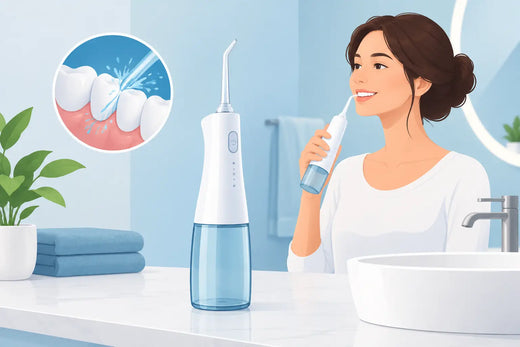
Tongue cleaning remains the most worthwhile complement to natural remedies, because the tongue harbors most odor-causing bacteria. A water flosser with tongue scraper combines rinsing and scraping to prolong freshness much better than simply chewing an herb. To understand the origin of odors and choose the right habits, the in-depth article on bad breath covers the subject in detail.
Can a natural remedy replace the dentist?
No natural remedy replaces brushing or regular dental checkups. Natural solutions freshen breath, support saliva production and usefully complement your routine, but they do not remove tartar, cavities or gum inflammation. Treating them as an addition rather than a treatment is the best way to benefit from them without neglecting your oral health.